
1) It’s not about you. As the host your job is to draw the story and best performance from your talent.
2) Often the best question is “what happened next”. Long winded questions are boring and self-indulgent. Open questions can lead you to unexpected (and cool) places.
3) Planning an interview and getting the structure right before recording day, is without doubt the most important step. Don’t wing it – your audience deserves more than that.
4) Don’t be afraid to edit. It’s ok for words not to be perfect and conversations to flow – but think about whether the conversation is getting boring (or annoying) for the listener and edit if it is!
5) Get a good team around you. Yep, there’s a heap of people who say you don’t need it and you can do it all on your own. Good luck to those people. I know what I’m good at and what I need help with.
6) Most people hate hearing their own voice, everyone gets over it pretty quickly.
7) Everybody has a story, your job is to find it and help them tell it. Some are harder than others. But if you’re interested, chances are the audience is.
8) Podcasts are a lot more work than you think. A lot more.
9) Don’t talk over other people (even if you’re just agreeing with them). It might happen in natural conversation, but sounds annoying when you listen back.
10) Take a few moments when you’ve finished to re-record moments that fell flat or where you didn’t think you explained it well enough. It might seem weird at the time, but you’ll be glad you did when you’re editing.
Which of these resonates with you?
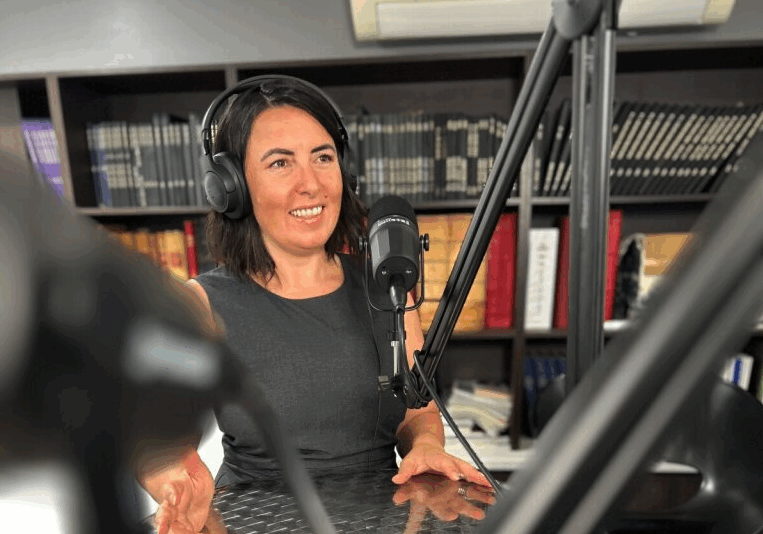
Listen to the podcast. Persons of Interest from the WA Police

Written by

Why train with ThinkBox?
At ThinkBox Media we believe in Strategic Customised Training. This means your training will be developed specifically for you; your industry, your concerns, your real scenarios.
A mining executive is not likely to face the exact same issues as a doctor, a government minister or a not-for-profit organisation. One Size fits all trainings do not work.
Some people need a lot of time to improve their performance, others get stuck on the messaging. Many bigger companies already have some bases covered by their own comms teams freeing up more time to focus on the practical skills.
Often a one-on-one training in required, other times small or larger groups may provide a more cost effective option for a team.
We know you’re results driven and so are we!
Not sure what you need? We can help you.
We have been asked a lot of questions. Many of them about where to start. So we have created a comprehensive FAQ's section to help you navigate the journey.